
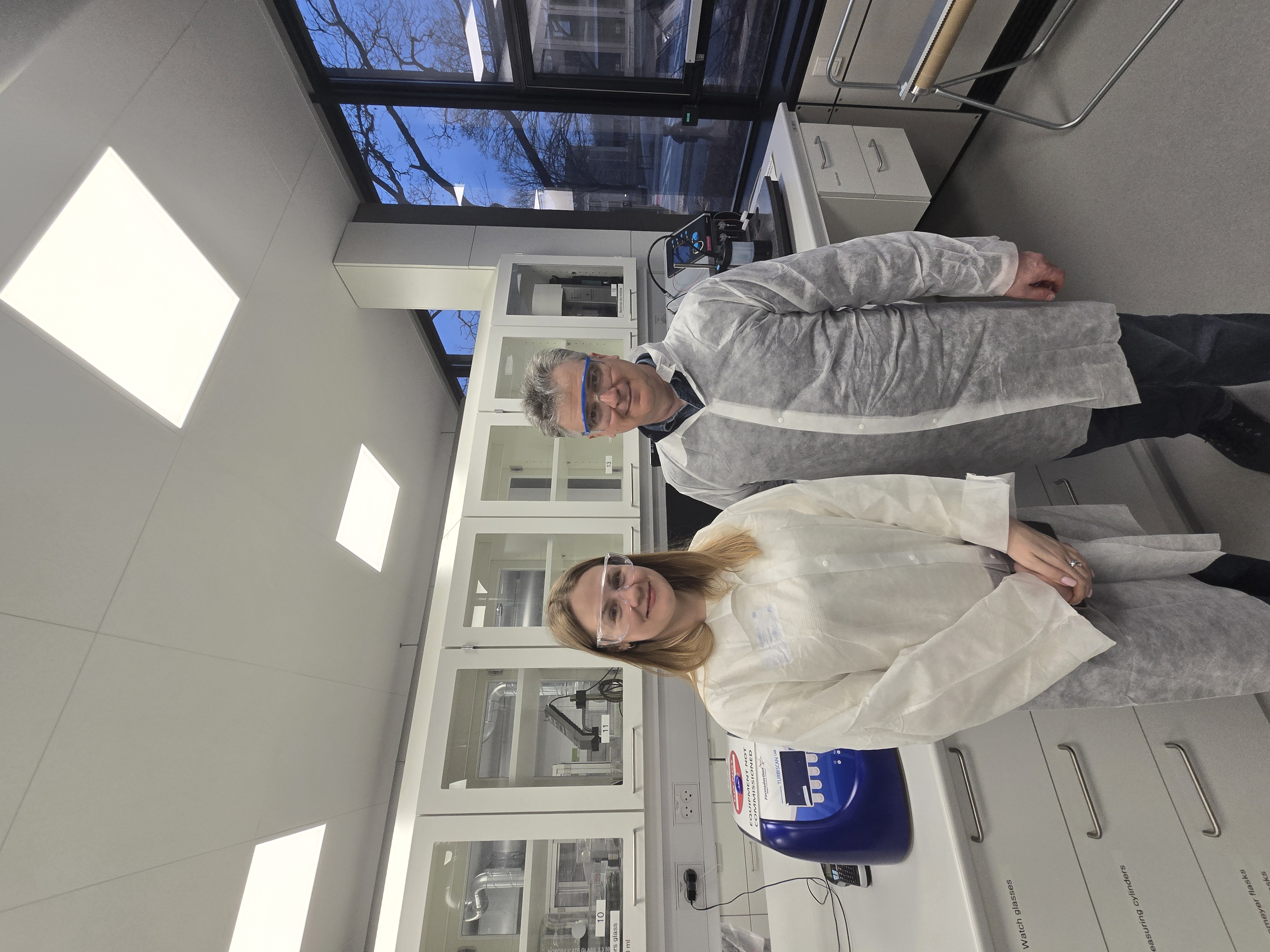
Our leading scientists—Director of the Institute of Functional Materials Chemistry of SSI, Academician of the NAS of Ukraine, Valentyn Chebanov, and Deputy Director for Research, PhD in Chemistry, Olesia Kulyk—participated in the training school “MOF Processing & Industrial Implementation”, held on February 26–27, 2026, at the Technical University of Denmark (DTU) in Copenhagen, as part of the COST Action EU4MOFs.
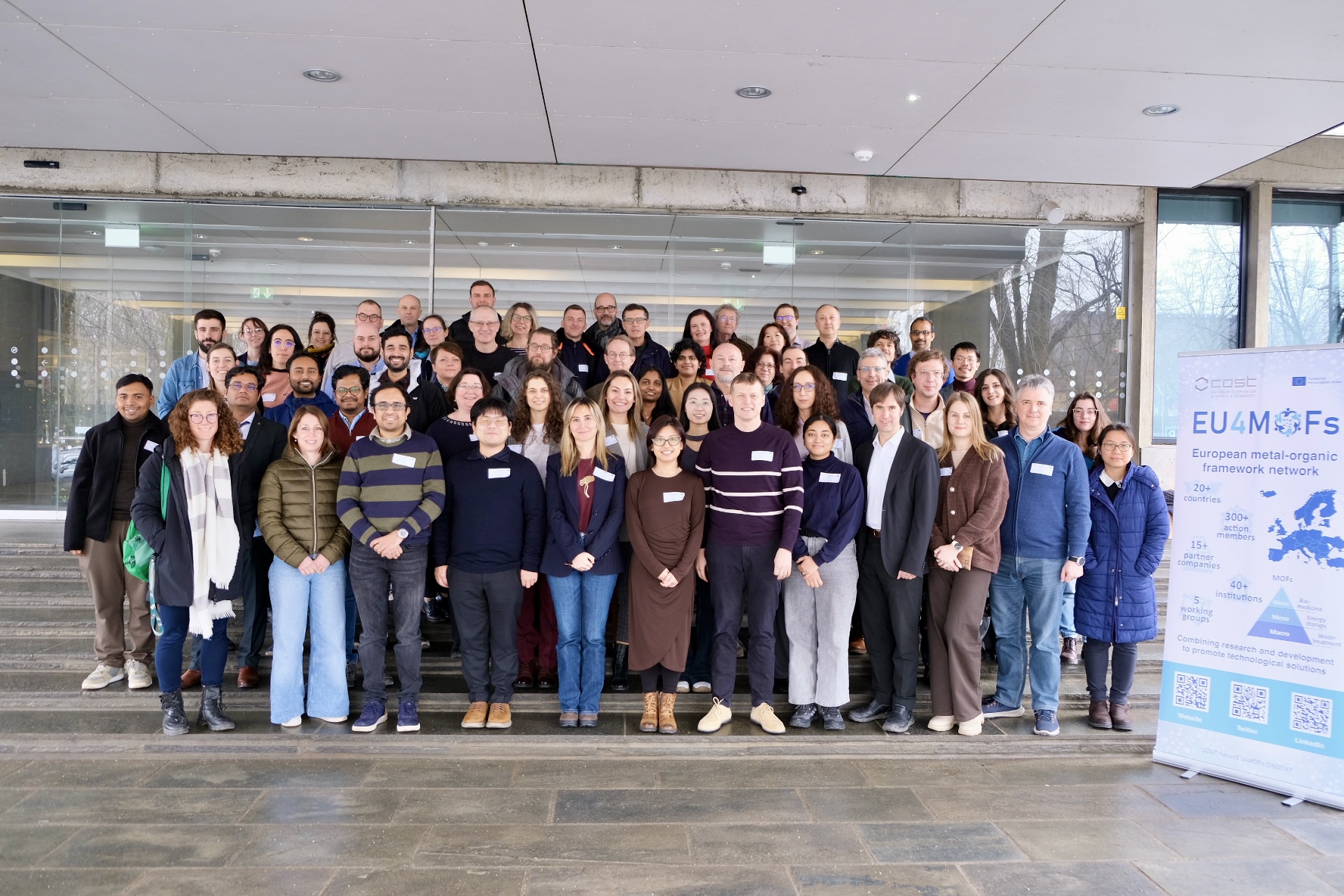
During two intensive days, researchers from around the world and industry representatives discussed strategies for more effective implementation of MOF (metal–organic framework) research and other porous materials into practical applications. The central theme of the event was collaboration between academic research and industry—an essential pathway for transforming fundamental discoveries into real-world technologies and innovative products. Key topics included the commercialization of innovative materials developed in modern laboratories, technology transfer, and fostering cooperation between science and business. Participants also had the opportunity to explore the research infrastructure, visit DTU’s state-of-the-art laboratories, and observe the practical organization of synthesis, analysis, and testing of new materials.
Special attention was given to scaling, shaping, and industrial implementation of new materials, as well as their potential applications in energy, biomedicine, and environmental technologies, including water purification.
“Today, it is crucial for science to go beyond the laboratory and work closely with industry. Such collaboration enables the transformation of fundamental results into technologies that generate real societal impact. Participation in events like this school helps us better understand current industry needs and identify new directions for international scientific cooperation”, said Academician of the NAS of Ukraine Valentyn Chebanov.
Scientific schools like this open opportunities for professional exchange, exposure to cutting-edge research, and establishing international contacts. They also help researchers gain a deeper understanding of industry needs and accelerate the practical application of scientific results.
For our scientists, this is an opportunity to integrate their research outcomes into the European scientific space and strengthen international collaboration.