
A leading scientist, Head of the Medical and Biological Laboratory of the Institute of Functional Materials Chemistry of the SSI, Doctor of Chemical Sciences, Professor Victoria Lipson, presented a report entitled “Novel Multicomponent Medical and Biological Materials for Overcoming Bacterial Resistance” at a meeting of the Presidium of the National Academy of Sciences of Ukraine.

Today, the problem of antibiotic resistance—namely the ability of bacteria to withstand the effects of medications—is one of the greatest threats to global health. According to the WHO, it ranks among the top ten global risks facing humanity. Addressing this challenge is a key focus of researchers at the Institute of Functional Materials Chemistry of the SSI, who are actively exploring new approaches to the development of effective antibacterial agents.
In her report, Victoria Lipson outlined innovative strategies for combating bacterial resistance. In particular, the work focuses on the development of soft dosage forms—specifically ointments—that combine antibacterial active ingredients from the fluoroquinolone group with a novel auxiliary component, 3,3’-diindolylmethane, which helps overcome pathogen resistance to drugs.
One of the key elements of such formulations is the ointment base—multicomponent mixtures of polymers, surfactants, and pharmaceutically acceptable solvents. The overall effectiveness of the dosage form largely depends on the proper selection of this base. An important role in the development of these experimental ointments for the treatment of purulent wounds was played by the pharmaceutical technology school led by Doctor of Pharmaceutical Sciences, Professor Mykola Lyapunov.
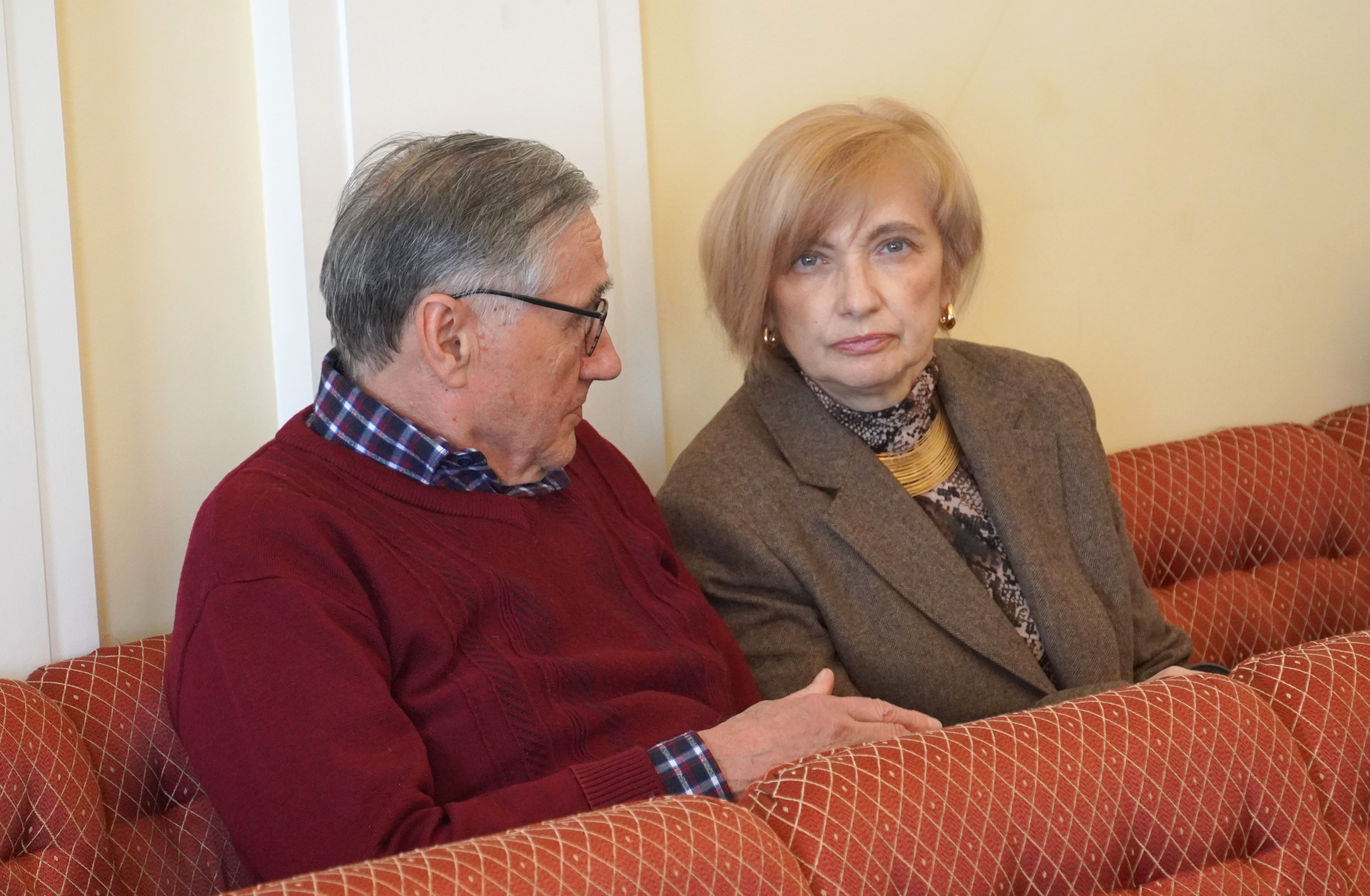
Experimental samples of the new product have already been prepared, and the first tests have confirmed its high effectiveness. The presentation by our scientist sparked lively discussion among the members of the Presidium and highlighted the importance of further development of this research direction.