
The researchers from the Institute of Functional Materials Chemistry, PhD in Chemistry, Associate Professor, and Deputy Director Olesia Kulyk, and Doctor of Technical Sciences, Senior Researcher, and Scientific Secretary of the SSI “Institute for Single Crystals” of NAS of Ukraine Iryna Bespalova, participated as speakers in the second forum “Strength of Kharkiv Women”.
Beneath the familiar theme of “strength and resilience” this year’s discussion went deeper, exploring how, in a frontline city, a new social dynamic is emerging where women take on a significant share of responsibility for development, support, and recovery. Today, they are holding the home front, ensuring continuity in education, science, healthcare, and the economy.
The forum program included four thematic panels — from the historical roots of female leadership to contemporary challenges in gender equality, and personal stories of life under the pressures of war.
In the final panel, “Life Under the Pressure of War: Women’s Stories” Iryna Bespalova and Olesia Kulyk shared their experiences of working as scientists during wartime, reflecting on their personal journeys of trials that build inner strength, create new meaning, and reveal how to find resources and move forward even under the most challenging conditions.
Their stories strongly resonate, as in 2022 – 2023 both were forced to leave Ukraine and continue their research abroad through international programs supporting Ukrainian scientists. By 2023, they had returned to Kharkiv, resuming their work at the SSI “Institute for Single Crystals” of NAS of Ukraine, and, despite all challenges, successfully continued their scientific work and professional development.
The statistics they shared underscore the context: 18–20% of Ukrainian scientists left the country in the first year of the full-scale war; more than 20,000 were forcibly displaced; about one-third are working outside laboratories; and the loss of scientific potential reaches approximately 20%. These figures highlight the scale of the challenges, but also the resilience of those who continue working for the future of Ukrainian science. Despite all trials, Ukrainian science endures and evolves, finding new ways to collaborate and new opportunities.
In this sense, the “Strength of Kharkiv Women” forum is less about an event and more about highlighting the emergence of new roles and responsibilities.
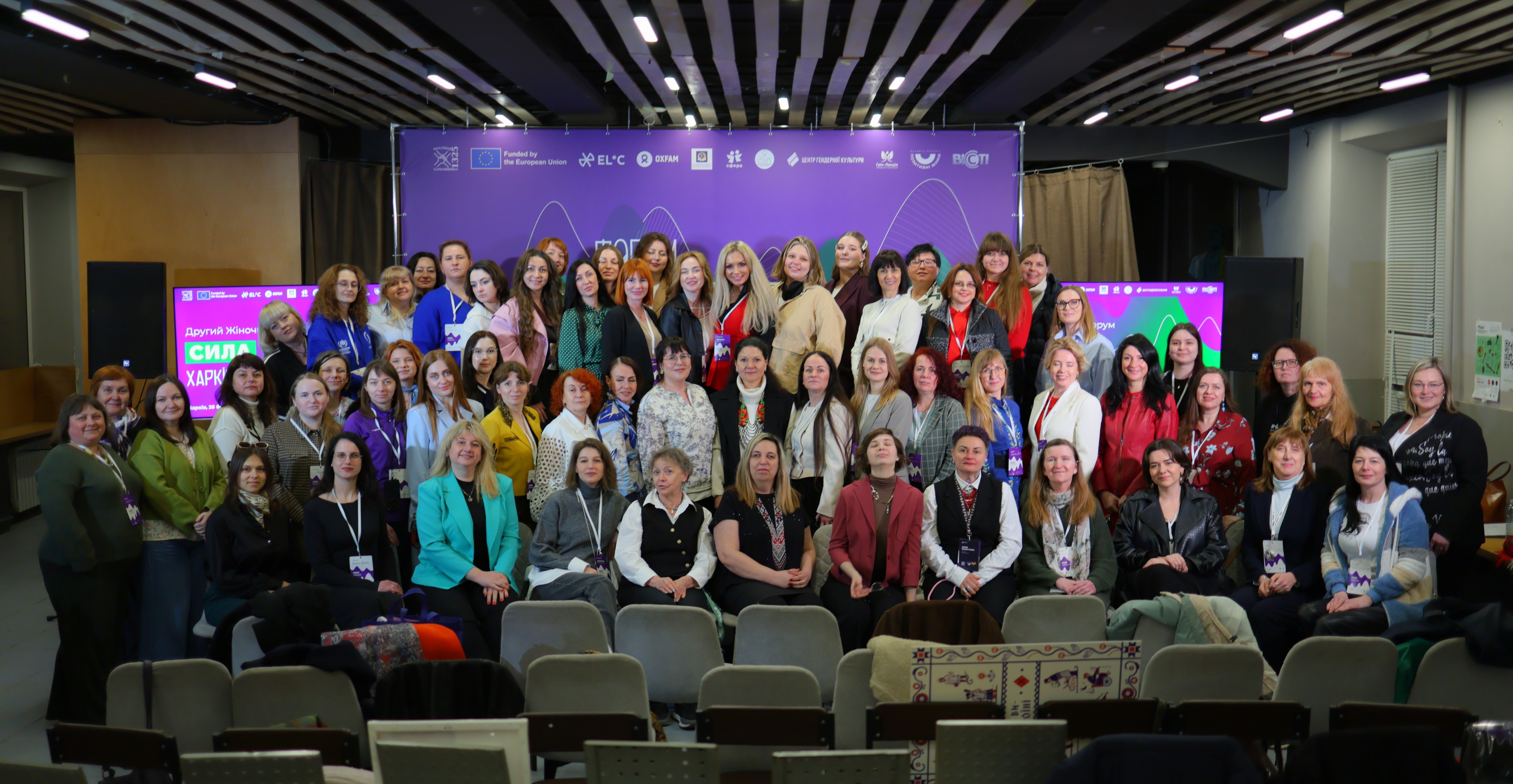
Kharkiv is alive, thanks to those who, despite the war, continue their work, rethink it, and move forward. The road ahead is long and challenging, but it is clear that only joint initiatives pave the way for meaningful change and open new opportunities.